
The 10 Main Challenges of Enterprise Access Management (IAM)
Enterprise Access Management (IAM): 10 Key Challenges
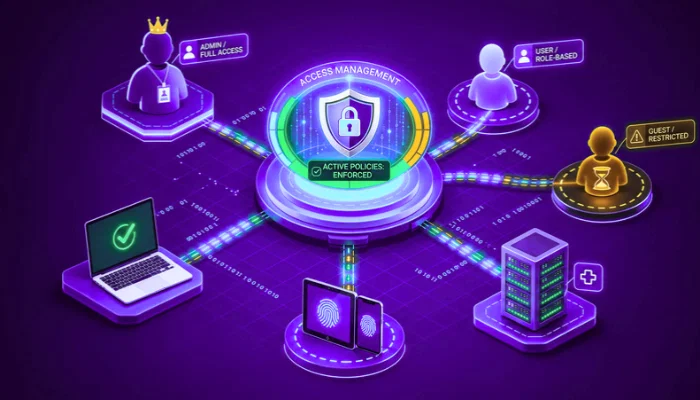
Enterprise identity and access management (IAM) is an essential component of cybersecurity, as it enables organizations to control access to data, applications and IT infrastructure, ensuring that each user has only the permissions they need.
In this context, organizations must address challenges that affect not only information security, but also operational efficiency and the proper management of access rights.
Let’s take a look at 10 of the most common challenges in enterprise access management (IAM) and the potential impact they can have on security and organizational processes.
1. Lack of Centralized Access Management
When identity information and related permissions are spread across corporate directories, independent databases and cloud services, obtaining a comprehensive overview of access rights becomes particularly difficult. Without a single source of truth, IT and security teams cannot easily determine which users have access to sensitive data and resources. This fragmentation reduces visibility and control, increases infrastructure risks and makes it more difficult to demonstrate regulatory compliance during audits.
Ready-Made Templates
Looking for an IAM or IGA platform to manage digital identities?Visit the Yookey website to discover the available solutions.
2. Privilege Creep
Changes in job roles, transfers between departments and participation in specific projects often require users to receive additional permissions. Problems arise when previously assigned privileges are not removed once they are no longer needed. Over time, users accumulate access rights that exceed those actually required for their current responsibilities. This situation violates the principle of least privilege, increasing the number of potential access points that unauthorized individuals could exploit.
3. Inefficient Identity Lifecycle Management (Onboarding and Offboarding)
Predominantly manual procedures and poor communication between Human Resources and IT departments can delay account provisioning for new employees and compromise the proper management of employee departures. In particular, when permissions are not revoked promptly at the end of an employment relationship, former employees may retain valid credentials. The presence of unnecessary active accounts represents a significant vulnerability, as it leaves potential entry points into corporate systems open.
4.Shared Credentials and Lack of Individual Accountability
When multiple people use the same account, it becomes difficult to determine who actually performed specific operations. Changes, deletions and access to confidential information cannot be accurately attributed to individual users, compromising activity traceability. Furthermore, sharing weak passwords or credentials among multiple people reduces the effectiveness of security logs and monitoring procedures.
5. Challenges in Managing Hybrid and Multi-Cloud Environments
The simultaneous use of on-premises infrastructure, services distributed across multiple cloud platforms and third-party SaaS applications makes it more difficult to enforce consistent access control policies. Different systems may rely on different authentication technologies and authorization mechanisms. As a result, defining, implementing and maintaining consistent corporate policies across all environments requires particularly complex management and coordination efforts.
6.Weaknesses in Application Access Control Mechanisms (Broken Access Control)
Some application vulnerabilities arise from the failure to properly verify user permissions whenever access to data or functionalities is requested. When applications or APIs do not perform adequate checks, unauthorized users may bypass restrictions and access confidential information. Common examples include incorrect configurations, insufficiently protected credential recovery procedures and administrative interfaces that can be accessed without adequate security measures.
7.Limitations in Access Monitoring and Reporting
Monitoring tools do not always collect information from all the systems and environments used by an organization. In some cases, monitoring activities focus primarily on failed authentication attempts, overlooking less obvious suspicious behaviors. The lack of centralized, comprehensive and readily accessible logs makes it difficult to detect unusual activities promptly, such as unauthorized privilege escalation or abnormal use of corporate resources.
8.Policy Proliferation and Inconsistent Authorization Rules
As an organization grows, the number of rules governing access to systems, information and applications also increases. Policies may vary depending on business locations, the types of data being processed and the responsibilities of different user groups. Managing this growing number of rules becomes increasingly complex, especially when overlapping or conflicting permissions arise. This can lead to delays in everyday operations and compliance issues with regulatory requirements and industry standards.
9. Lack of Governance for Non-Human Identities and Service Accounts
In addition to user accounts associated with individuals, corporate infrastructures rely on numerous non-human identities, including automated scripts, workloads, APIs and service accounts. These entities may have extensive permissions without a clearly assigned owner responsible for their management. Without procedures to monitor their lifecycle, regularly rotate access keys and restrict privileges to specific technical purposes, they can become difficult-to-detect entry points that pose significant security risks to the infrastructure.
10. Lack of Periodic Access Reviews and Permission Reconciliation
Without scheduled and systematic reviews, user permissions tend to remain active even when they are no longer necessary. This leads to the accumulation of unused access rights, orphaned accounts and privileges that are no longer justified by current job responsibilities. Without periodically comparing active organizational identities against their assigned access rights, it becomes difficult to verify whether permissions remain aligned with users’ roles and the organization’s actual operational requirements.
Yookey: the IAM Solution Based on Keycloak with SPID and CIE
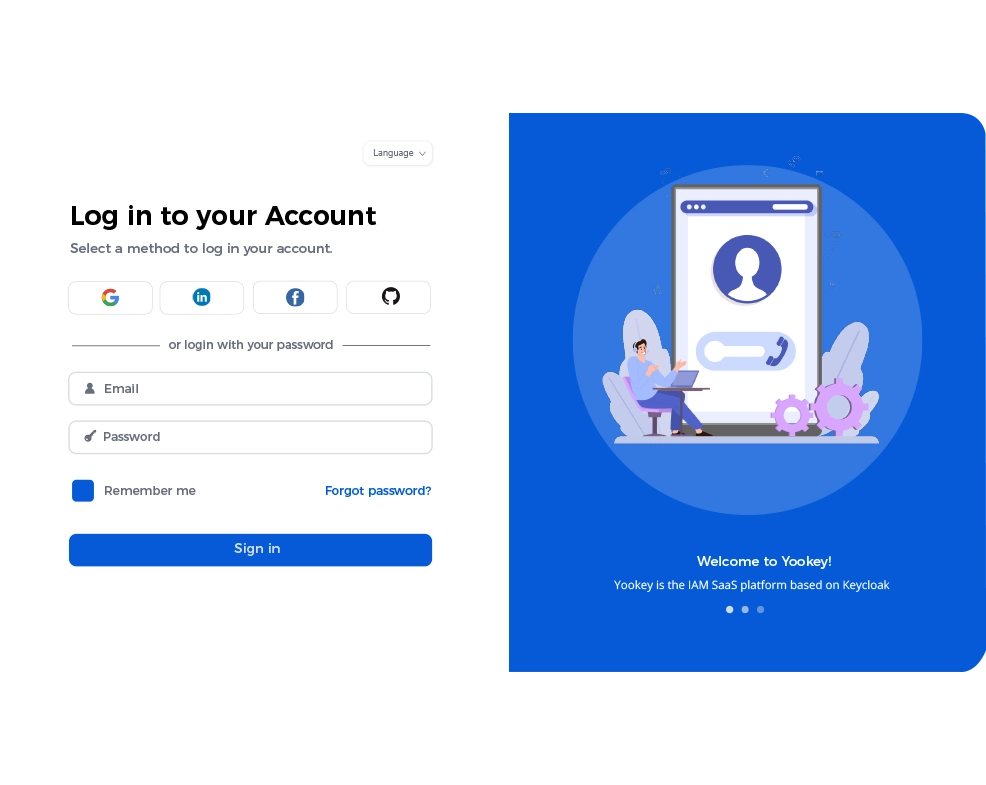
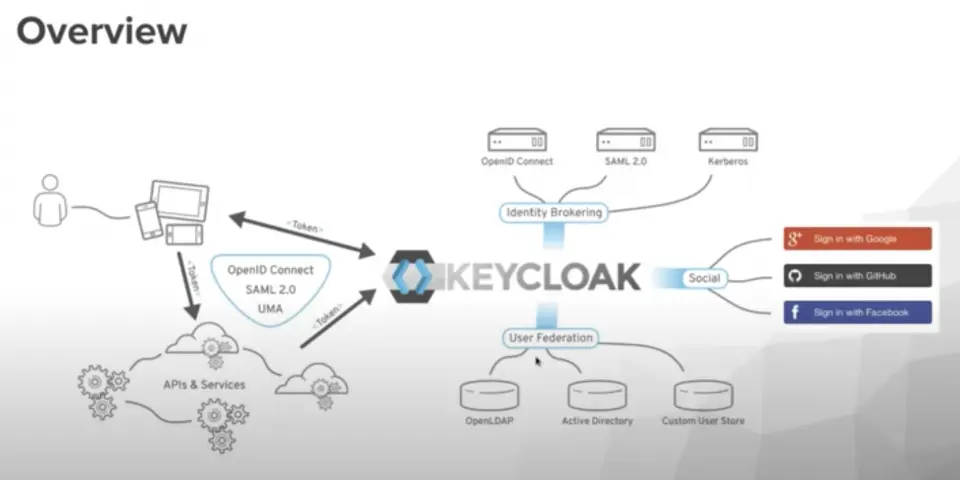
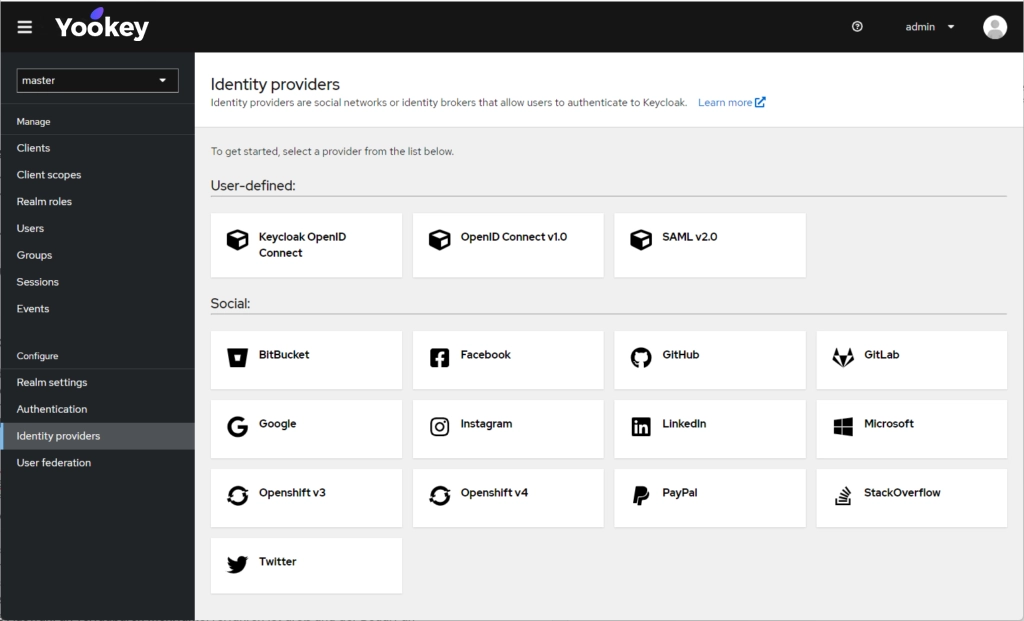
Yookey is an Identity and Access Management (IAM) solution based on Keycloak that ensures robust and secure management of digital identities and access control to resources and services.
The solution simplifies and secures onboarding and offboarding processes through integration with Single Sign-On (SSO) and advanced access management automation, while applying multi-factor authentication (MFA) mechanisms to strengthen security from the very first login.
Yookey integrates natively with YooPoint, the IGA (Identity Governance and Administration) software within the E-time Suite, enabling the management of the entire digital identity lifecycle.
Speak directly with our team for more information.