
Single Digital Gateway (SDG): what it is and how the European single digital portal works
- What is the Single Digital Gateway (SDG)
- How the European Single Digital Gateway works
- Who the Single Digital Gateway is for
- Benefits of the Single Digital Gateway for citizens, businesses, and public administrations
- The role of the Single Digital Gateway in the European Union’s digital strategy
- Challenges and issues in implementing the Single Digital Gateway
- Yookey: access control and digital identity based on KeycloaK
What is the Single Digital Gateway (SDG)
The Single Digital Gateway (SDG) is an initiative promoted by the European Union through Regulation (EU) 2018/1724 with the aim of simplifying access to digital public services across the different Member States.
It is a European digital one-stop shop that provides a single access point for information, administrative procedures, and public administration services, integrating with the Your Europe portal.
Thanks to this system, citizens and businesses can manage cross-border procedures online, obtain certificates, and access European public services without having to navigate different national platforms or face complex bureaucratic procedures.
For further information: Agenzia per l’Italia Digitale – Single Digital Gateway
How the European Single Digital Gateway works
At the core of the Single Digital Gateway is the “once-only” principle, according to which citizens and companies do not have to repeatedly enter the same data in European administrative procedures.
The system uses the OOTS (Once Only Technical System) infrastructure, which allows public administrations in different Member States to share documents and information required to complete a procedure in an automated and secure way.
After authentication through a digital identity, the portal can directly retrieve the information required from the competent authorities, avoiding the need for users to manually upload certificates or documentation already available within other administrations.
Data exchange takes place exclusively with the user’s consent, through a prior authorization mechanism called preview.
Ready-Made Templates
Are you looking for an IAM system?Visit the Yookey website to discover the available solutions.
Who the Single Digital Gateway is for
The Single Digital Gateway is designed to support citizens and businesses operating within the European Union, especially in cross-border contexts related to study, work, residence, or business activities in another Member State.
The system also involves European public administrations, which collaborate through a shared infrastructure for the exchange of data and digital documents. In this ecosystem, authorities can act both as entities requesting information and as administrations providing it, following common interoperability and communication standards.
Benefits of the Single Digital Gateway for citizens, businesses, and public administrations
The introduction of the Single Digital Gateway significantly simplifies access to European public services, reducing bureaucratic time and operational complexity.
One of the main benefits is the application of the once-only principle: users and companies no longer need to submit the same data multiple times to different administrations, as information can be retrieved directly by authorized entities.
The system also promotes:
- faster handling of European administrative procedures;
- full digitalization of processes;
- reduction of linguistic and territorial barriers;
- online access to public services in different Member States;
- greater ease for companies and professionals operating in multiple EU countries.
Thanks to interoperable digital procedures, citizens and businesses can therefore interact with European public administrations in a simpler, safer, and more efficient way, without the need for intermediaries or paper documentation.
The role of the Single Digital Gateway in the European Union’s digital strategy
The Single Digital Gateway represents one of the key tools of the European strategy for strengthening the Digital Single Market. Through this initiative, the European Commission aims to create an increasingly integrated, interoperable, and accessible administrative system for citizens and businesses operating within the European Union.
The goal of the project is to promote a concrete European digital citizenship, simplifying access to online public services and harmonizing procedures across Member States. In this way, the Single Digital Gateway helps reduce technological and bureaucratic barriers that can still hinder cross-border mobility today.
Challenges and issues in implementing the Single Digital Gateway
However, the implementation of the Single Digital Gateway requires significant technological adjustments by European public administrations. Each authority must update its IT systems to be compatible with the OOTS protocol, in order to send, receive, and manage data requests in a secure and interoperable way.
One of the main challenges also involves the engagement of local authorities, which often directly manage authorizations and territorial administrative procedures. An example is the SUAP one-stop shops dedicated to productive activities, which will need to be progressively integrated into the European digital ecosystem envisaged by the Single Digital Gateway.
Yookey: access control and digital identity based on Keycloak
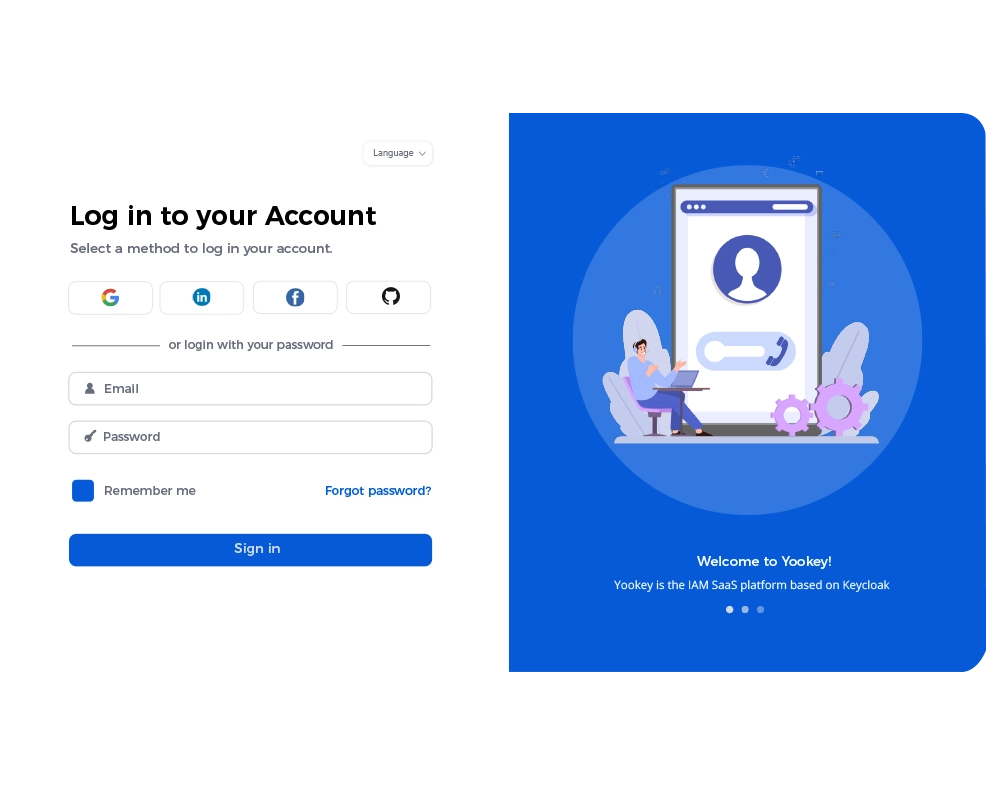
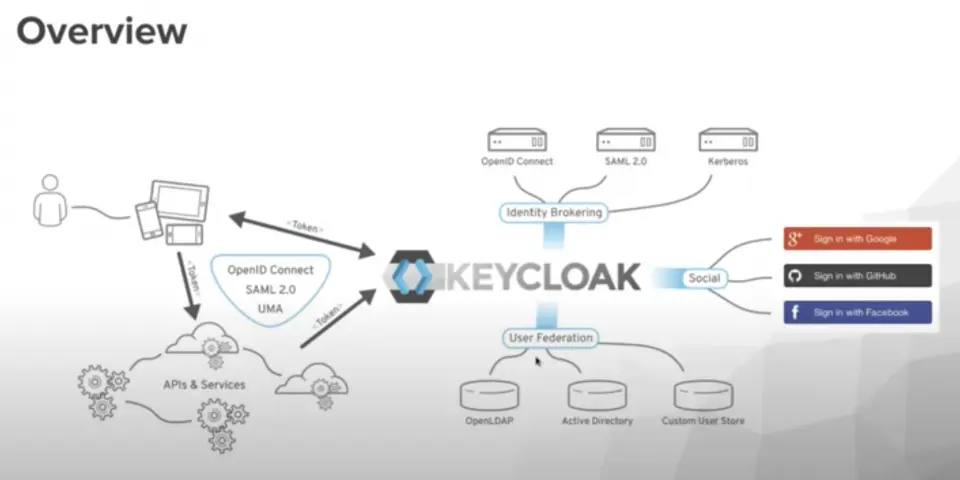
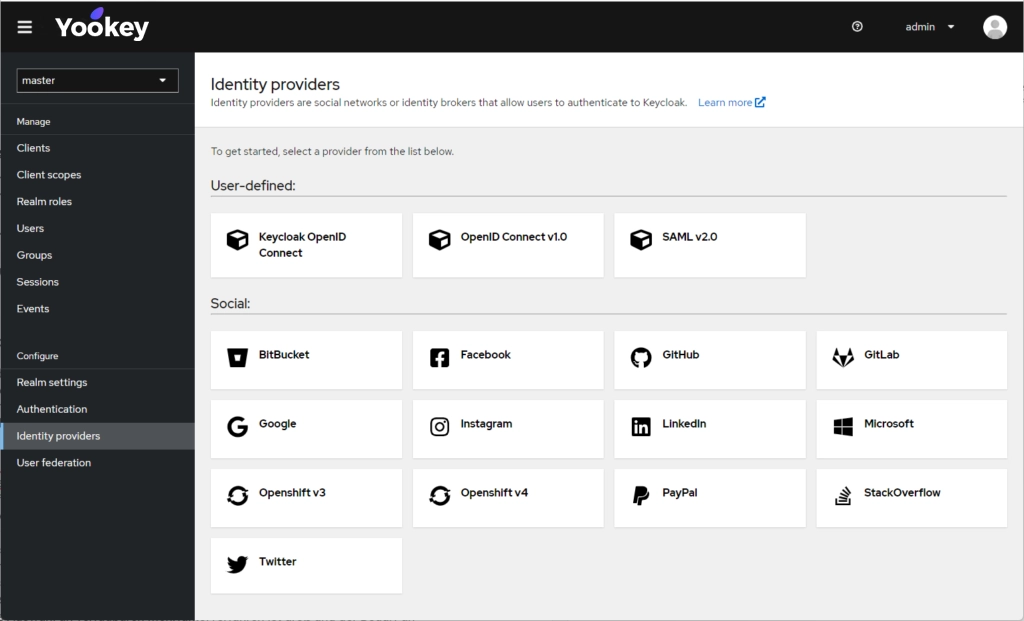
Yookey is an Identity and Access Management (IAM) platform built on Keycloak, designed to centralize the management of digital identities and secure access to applications, data, and enterprise services, in line with the evolution of digital services also envisaged by the European Single Digital Gateway.
The solution simplifies authentication and user management processes through features such as Single Sign-On (SSO), identity federation, and automated access management, while also integrating multi-factor authentication (MFA) systems to increase security levels and improve the user experience when accessing digital services.
The entire identity lifecycle is managed in a structured and traceable way, supporting organizations and public bodies in complying with security and regulatory requirements such as NIS2 and ISO 27001, which are increasingly central in European digital transformation processes.
Speak directly with our team for further information.